Our story
Human possibility.
Our reason for building.
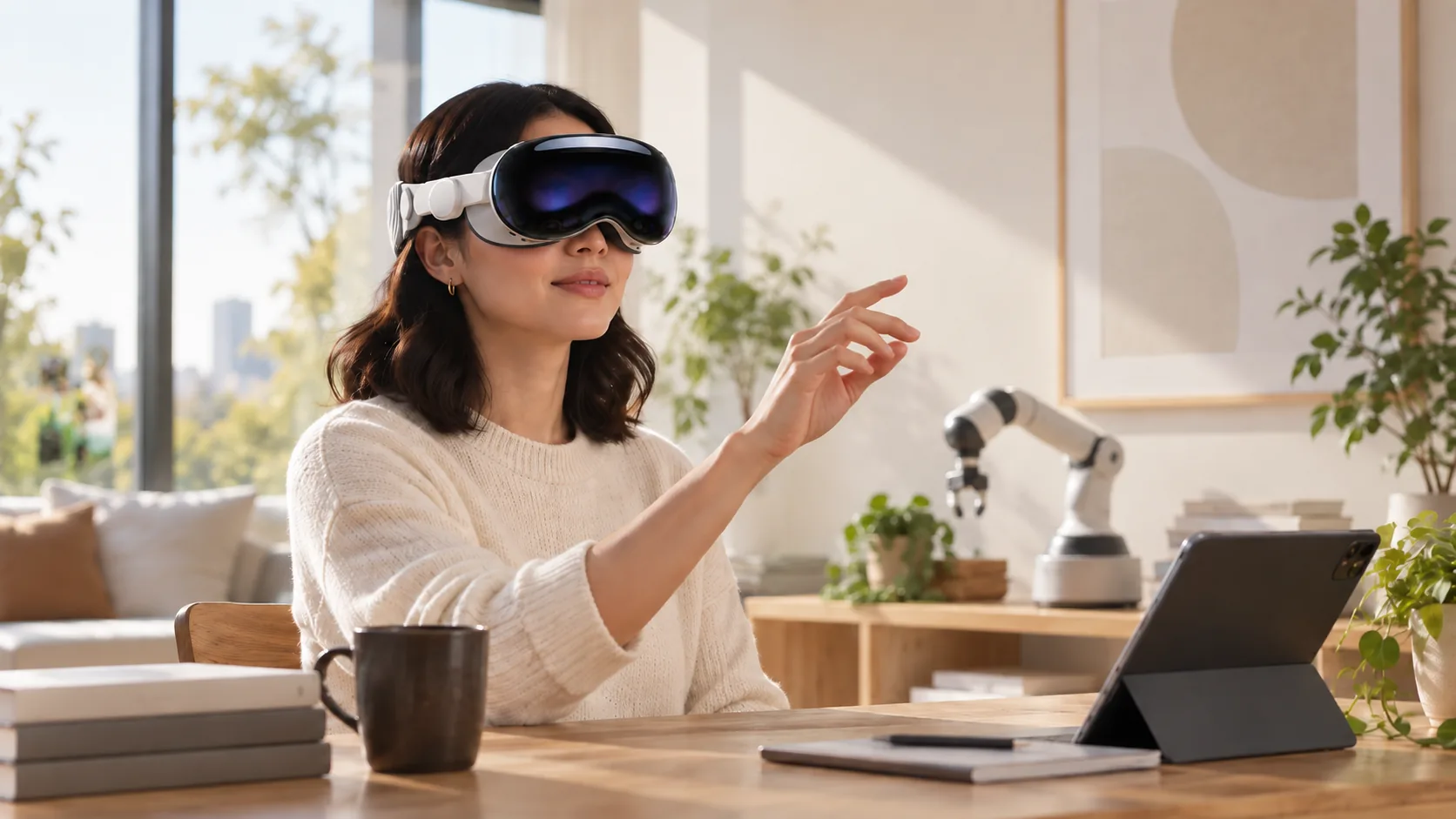
Revivr Studios explores technology that gives people more ways to communicate, interact, and act independently.
Technology, applied with care
A more accessible
everyday.
Our work considers people with disabilities, neurological conditions, limited mobility, and those recovering from injury—alongside the caregivers who support them.
Spatial computing, WebXR, and assistive robotics are three distinct approaches to that shared purpose.
Einar Johnson / Founder
“Revivr is personal
to me.”
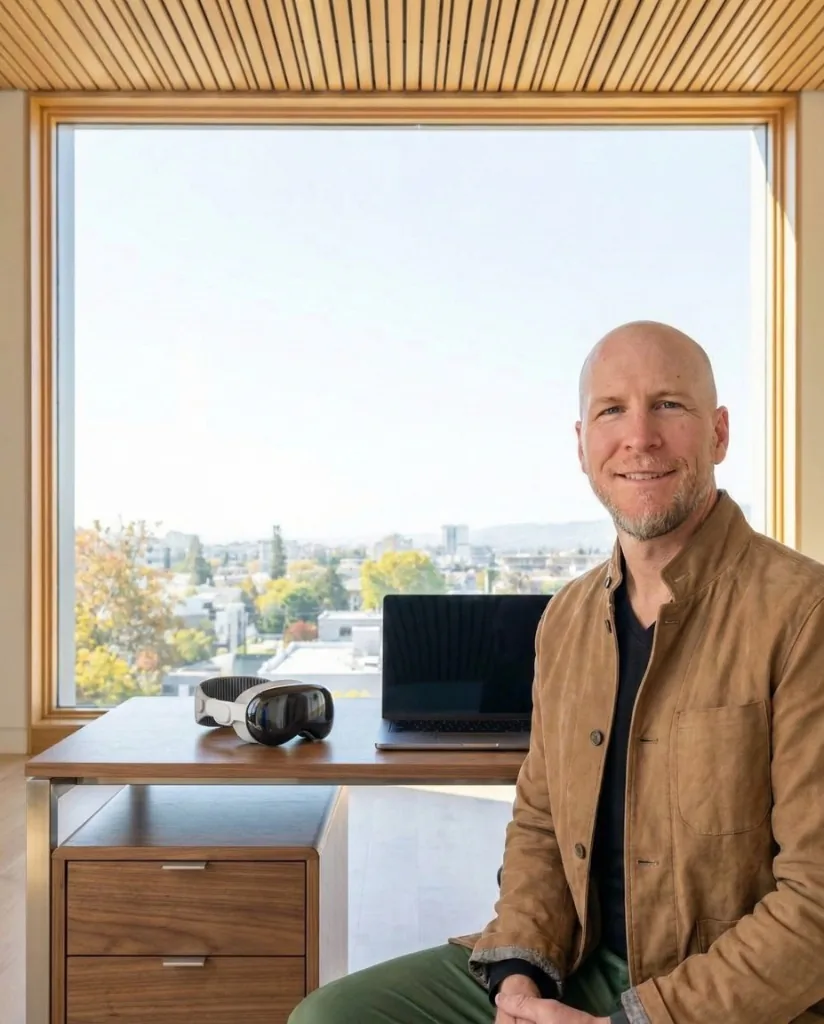
I have always believed that meaningful ideas emerge where different disciplines, technologies, and human needs intersect.
Revivr is personal to me because ALS runs in my family. I've seen firsthand how changes in mobility can affect far more than movement. They can change how someone communicates, interacts with technology, accesses experiences, and engages with the physical world around them.
I've also seen how much responsibility falls on caregivers. Independence for the person receiving care matters, but so does giving caregivers better tools, clearer ways to assist, and more opportunities to step back when technology can safely return some control to the individual.
That led me to a simple realization: different barriers require different technology.
Spatial computing can create new ways to interact when traditional controls become difficult. WebXR can make immersive experiences easier to reach by delivering them through a browser across different devices. Assistive robotics can extend that interaction into the physical world, creating new ways to reach, move, and act.
These are not pieces of one system. They are three distinct approaches to one goal: giving people more ways to interact, communicate, and act independently.
In 2024, I founded Revivr Studios. The name combines Survivor and Revive. It is a recognition of people navigating difficult circumstances, and a belief that technology can restore possibilities that might otherwise feel out of reach.
Today, Revivr explores accessibility technology across spatial computing, WebXR, and assistive robotics. Sometimes the right solution may be a gaze driven interface. Sometimes it may be an immersive experience that opens from a link. And sometimes it may be a machine capable of turning digital intent into physical action.
My goal is to use decades of technical and creative experience to build technology around the person rather than asking the person to adapt to the technology, while also giving caregivers tools that make supporting someone easier, more effective, and less demanding when appropriate.
The technologies may be different. The purpose is the same: greater independence, greater access, and more ways to engage with the world.
Follow Einar — 𝕏 Twitter
Let's talk
Different perspectives.
Shared possibilities.
We welcome people who care about making technology more useful, accessible, and human.
Start a conversation